How Practical Is A One-year MBA?
Inside The Live Projects And Practical Learning Built Into The Bath MBA
Author: University of Bath

“When Naetima was asked to build a project team on the Bath MBA, her instinct was to choose the strongest individual performers.
That was how she had learned to get results at work. Before the MBA, she had been managing people, clients and stakeholders at the same time. She was used to pressure, deadlines and the need to deliver.
Then she saw other teams take a different approach. Some classmates chose people they enjoyed working with, or people who brought a different balance of strengths. Watching those teams work made her rethink something she had never really questioned.
That moment goes to the heart of what makes the Bath MBA different.
Practical learning is built into the year through the Multi-Project Suite. You do not just learn business theory and wait until after graduation to test it. You apply it through live projects, real teams and structured reflection while there is still time to learn from what happened and try again.
For international candidates comparing MBA programmes in the UK, this matters. A one-year MBA moves quickly. You need academic rigour, but you also need repeated opportunities to test your thinking, build confidence and practise making decisions before you return to work.

WHY PRACTICAL LEARNING MATTERS WHEN YOU ALREADY HAVE EXPERIENCE
Many MBA students arrive with real professional experience. They may have managed people, projects, clients, budgets or complex organisational challenges.
The value of practical learning is not that it gives you your first taste of business reality. It gives you a structured way to work on real problems, reflect on your approach and improve.
At work, you often have to make the call and move on. On the MBA, you get space to test an idea, see what happens, take feedback and try again. You learn how to use what you know when information is limited, opinions differ and there’s no clear solution.
Dr Jane Ellis-Brush, Director of Teaching on the University of Bath’s MBA programmes, says this approach is deliberate.
“Great leaders can navigate an increasingly complex business world. They understand how organisations work and have the confidence to lead change with creativity and innovation.”
On the Bath MBA, that confidence is built through practice.
WHAT IS THE BATH MBA MULTI-PROJECT SUITE?
The Bath MBA Multi-Project Suite gives you repeated opportunities to apply what you learn across the programme. Instead of focusing on a single dissertation, you will work on practical projects that ask you to use business knowledge in live contexts.
The suite includes practical work across areas such as:
- responsible business or social action
- consulting and change management with a real organisation
- entrepreneurship and new venture development
- a final project that brings the year’s learning together
The list is useful, but the value is in the repetition.
Each project asks you to move from knowledge to judgement. You learn a concept, then decide what it means in a particular organisation or situation. You analyse a problem, then work out what a client, stakeholder or team can realistically do next.
That is different from writing about what good management should look like. It asks you to practise doing the work.
APPLYING MBA LEARNING TO REAL ORGANISATIONS
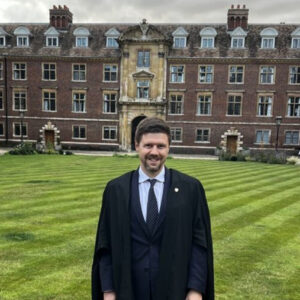
Before joining the MBA, Sam had spent more than five years working in international development in Nepal. His work included governance, development aid initiatives, grant allocation, budgets and projects involving multiple stakeholders. He was already familiar with working in complex organisational environments.
What he wanted from the MBA was academic rigour, with opportunities to explore entrepreneurship and sustainability in greater depth.

THE PRACTICAL NATURE OF THE BATH MBA STOOD OUT
“A distinctive feature of the programme is the hands-on engagement with actual clients,” he says. “We had the opportunity to tackle real-world challenges faced by organisations.”
For Sam, the Multi-Project Suite provided a practical way to apply the methodologies and insights he was learning in the MBA modules. Through consulting projects, he practised diagnosing organisational challenges, developing recommendations for clients and turning those ideas into practical strategies.
The entrepreneurship project gave him the opportunity to develop a new business idea and present it to a panel.
A framework might help you understand a situation, but a live project asks what you will do with that understanding. What evidence matters most? Which recommendation is realistic? How should the idea be communicated? What might make implementation difficult?
Sam’s final project then allowed him to build on the programme’s taught modules through deeper individual research in his chosen area. This is an important point for applicants. Practical learning not only tests what you know; it can help you connect your past experience, new knowledge and future direction. One project will not define your career, but it can help you discover where you want to go next.
But live projects do not only test the strength of your analysis. They also test how you work with people when the answer is not obvious and the team has to move together.
WHAT LIVE PROJECTS TEACH YOU ABOUT LEADERSHIP
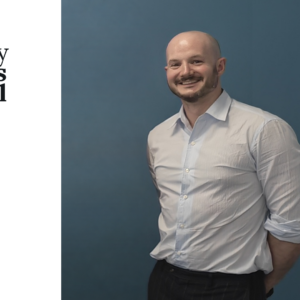
Naetima came to Bath after working in a marketing agency as a digital media planning manager. She had started managing people early in her career and was used to managing a team, clients and stakeholders at the same time. Bath stood out to her because it felt practical.
“The Multi-Project Suite appealed to me because it wasn’t just about learning theory,” she says.
When she started the MBA, she brought a clear working style with her.
“I was very result oriented. All I cared about was the result,” she says.
Working with different people throughout the year gradually changed that. Naetima realised that a team full of high performers does not automatically produce the best result.
One turning point came during the Leadership Mindset module with Dr Georgie Lack. In a team-building exercise, Naetima’s instinct was to choose the highest performers. Some classmates chose people they enjoyed working with or felt would create a better team dynamic.
Watching the teams work made her rethink what good leadership needs.
“I still want strong people involved, but I’ve learned a good team needs a real balance of personalities and strengths,” she says.
That is practical learning in a very human form. In live project work, the quality of the final output depends on how people listen, challenge ideas, share responsibility, handle pressure and make decisions together. Technical ability matters, but it is not enough on its own.
For Naetima, the lesson changed how she thought about leading people.
“In the past, I didn’t really think about my team’s wellbeing. Now I approach things differently,” she says. “You can achieve the same result with a better process that brings people along with you.”
“I think I became a kinder person because of the MBA,” she says. “More empathetic. Honestly, I’m just nicer to work with.”
That kind of learning is hard to get from theory alone. You need to work with people, see your own habits in action, reflect on what happened and then try again.
WHAT TO LOOK FOR IN A PRACTICAL MBA
Most MBA programmes describe themselves as practical. When you compare your shortlist, the useful question is what that means in the structure of the year.
Use these questions to test how meaningful practical learning is likely to be:
- Where does practical learning sit? Is it built across the programme, or saved for one final project?
- How live is the work? Will you work with real organisational challenges, or mainly classroom simulations?
- What will you practise more than once? Look for opportunities to work through real business challenges from start to finish: diagnosing the problem, developing recommendations, testing ideas and thinking through implementation.
- How will you reflect and improve? Strong practical learning should help you prioritise, communicate clearly, handle ambiguity, work effectively with others and learn from what happened before you try again.
- Can you test a future direction before graduation? If you are interested in sustainability, entrepreneurship, consulting, responsible business or change, ask where the programme gives you space to explore that in practice.
By the end of that team exercise, Naetima had learned something that theory alone could not have taught her: the strongest individuals do not always make the strongest team.
That is what practical learning means at Bath. It’s not just about working on real projects. It’s about repeated practice that helps you use what you know, test how you work, build better judgement and return to the workplace with greater confidence.
LEARN BY DOING
Practical learning gives you the opportunity to test your judgement before you take it back into the workplace. Across the Multi-Project Suite, you work with different briefs, teams and organisations, building experience that goes beyond the classroom.
Explore how practical learning is built into the Bath MBA and how the Multi-Project Suite can help you develop the confidence to work through unfamiliar business challenges.